steve remchak wrote:
it is my no wrench turning understanding that a strut tower brace serves more for handling enhancement than it does for reinforcement of your shock towers Michael. while they will provide some aditional support, i don't believe they are your best option for strucural integrity.
just out of curiosity Dude, has anyone ever talked you into to taking a class with them so as you would bring up the curve? i could really use a break here, if you know what i mean.

Steve - I don't have your member app in front of me, but I'll bet you didn't check the "social" box. Good grief.
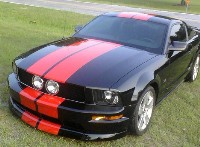
Michael - since the unit body of your car is made of welded-up sheet metal, it's going to flex, and your shock towers will move side to side under load, usually independently of each other, which delays the effects your steering inputs, and momentarily affects your wheel camber. The more common strut tower braces laterally connect the tops of the shock towers, and many front strut tower braces also connect to the firewall for additional rigidity. Depending on the car, you may be able to add lateral braces that connect points lower in the chassis. My old Mustang has a "G Load" brace, that connects the open end of the U-shaped subframe that supports the engine and that the lower arms of the front suspension bolt to. Keeping the ends of the "U" from pushing together during cornering helps maintain both camber and toe-in. Unfortunately, you really can't see that kind of brace from above, so there's no benefit in chrome plating one

And then there are "subframe connectors", that run front to back under the passenger compartment, to prevent twisting of the center of the body. These also improve steering response and add strength. All in all, you can spend a lot of money on this stuff.
As always, read your rulebook to see how these changes affect your classing.

 Login
Login Register
 FAQ
FAQ Search